





Picture this. It’s a Saturday morning, a pipe under the kitchen sink has just sprung a leak, and your hands are full. What do you do? You probably don’t reach for your laptop. You’re far more likely to call out, “Hey Siri, find an emergency plumber near me!”
That right there—that moment of spoken, urgent, and hyper-local intent—is the new battleground for local service businesses. Voice search isn’t some sci-fi future; it’s the present. And honestly, if your plumbing, HVAC, landscaping, or electrical company isn’t tuned in, you’re missing the customers who are literally asking for you.
Why Voice Search is a Game-Changer for Local Services
Let’s cut to the chase. Voice search queries are fundamentally different from typed ones. They’re longer, more conversational, and packed with intent. Someone typing might search “plumber Boston.” But when speaking? It becomes “Who’s the best 24-hour plumber in Back Bay?” or “Okay Google, call a furnace repair service that’s open today.”
This shift is massive. It means the old SEO playbook—stuffing keywords—isn’t just ineffective; it’s counterproductive. Voice search optimization is about answering questions, solving immediate problems, and being the most relevant, trustworthy result when someone speaks into the void.
The “Near Me” Mentality is Now Spoken Aloud
You know the “near me” trend? Well, it’s gone vocal. And it’s often implied. People assume their voice assistant understands context—their location, the time, their past behavior. This hyper-local focus is pure gold for service businesses. You’re not competing with national brands; you’re competing with the other three local electricians whose Google My Business profiles are (or aren’t) in order.
Your Actionable Voice Search Optimization Checklist
Alright, let’s get practical. Here’s where you need to focus. Think of it as tuning up your online presence for the human voice.
1. Master the Art of Conversational Keywords & Questions
Forget “electrician.” Think in full sentences. Brainstorm every question a panicked or planning customer might ask.
- Who, What, Where, When: “Who fixes garage door openers on weekends?” “What does AC repair usually cost?” “Where is a licensed tree service near me?” “When should I get my gutters cleaned?”
- How-to & Advice: “How do I unclog a bathroom sink?” “What’s the best lawn care schedule for spring?”
- Service + Location Phrases: “emergency locksmith downtown,” “affordable house painters in [Your Neighborhood].”
Weave these naturally into your website content, especially your service pages, FAQ section, and blog posts.
2. Claim and Perfect Your “Google Business Profile” (It’s Non-Negotiable)
This is, without a doubt, your most important asset for local voice search. Seriously. When a voice search happens, the assistant often pulls information directly from the top local pack listing—which comes from Google Business Profile (GBP).
Here’s what you must do:
- Complete Every Single Field: Hours, services, photos, your service area, attributes (like “women-owned,” “offers financing,” “24/7 emergency service”).
- Use Keywords in Your Business Description: Write a clear, conversational description that includes those key phrases. “We provide emergency plumbing repair for homeowners in Springfield and the surrounding areas.”
- Collect and Respond to Reviews: Star ratings and fresh reviews are huge trust signals. Ask happy customers! Voice assistants frequently cite businesses with high ratings.
- Post Regularly with GBP Posts: Share updates, offers, or tips. It signals activity and gives Google fresh content to index.
3. Structure Your Website for Answers (Hello, FAQ & Schema)
Your website should be an answer engine. Create a comprehensive FAQ page that directly addresses those spoken questions. Use clear, concise language in your answers.
Then, take it a step further with schema markup. Don’t let the jargon scare you. Schema is just a code you (or your web developer) add to your site to tell search engines exactly what your content means—your business name, address, phone number (the holy “NAP”), services, prices, and FAQs. This makes it incredibly easy for Google to “read” your site and serve it up as a spoken answer.
4. Speed, Mobile-Friendliness, and Security: The Technical Foundation
If your website loads slowly on a phone, you’re already out of the race. Voice search is overwhelmingly mobile. A fast, secure (HTTPS), and mobile-responsive site is table stakes. It’s like having a clean, well-lit storefront. If the door is jammed, no one’s coming in, no matter how loudly they ask.
What Does Success Sound Like? Measuring Voice Search Impact
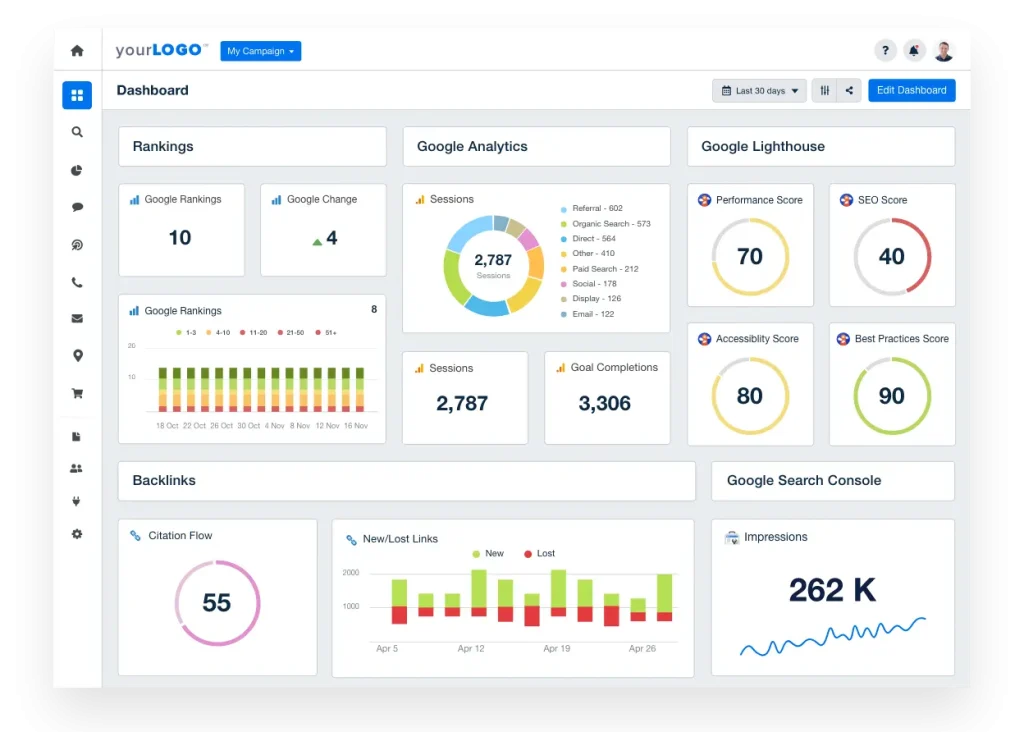
Tracking voice search directly is tricky, but you can watch the proxies. In your Google Analytics and Google Search Console, look for:
| Metric to Watch | What It Tells You |
| Increase in “near me” & question-based organic traffic | Your conversational content is working. |
| Growth in mobile traffic & lower bounce rates | Your site is friendly to on-the-go searchers. |
| Calls from your Google Business Profile | People are finding and calling you directly from search results. |
| Impressions for long-tail keywords | You’re showing up for more specific, voice-like queries. |
The Human Voice, The Human Touch
At its core, optimizing for voice search is just… good business. It’s about being helpful, being clear, and being present exactly when and where your community needs you. It’s less about gaming an algorithm and more about opening a direct line of conversation.
So, start talking like your customers talk. Answer the questions they’re shouting into their phones. Make your digital presence as reliable and ready-to-serve as your best technician. Because in the age of voice search, your next big job might not come from a website form—it’ll come from a voice, asking for help, and hoping you’re listening.



More Stories
Marketing for DAOs and Web3 Communities: The Playbook for a Decentralized World
Utilizing User-Generated Video and Nano-Influencers for Authentic Product Validation
Stop Guessing, Start Knowing: How AI and Predictive Analytics Can Save Your Customers